
1. Stop the moisture if it is safe
A leaking supply line, roof entry point, condensation or high humidity can keep feeding growth. Stopping the source is more important than covering the stain.
- Shut off a safe, accessible water source
- Move dry belongings away from the affected area
- Do not enter standing water near electrical systems
- Photograph the condition before cleaning
2. Do not spread the problem
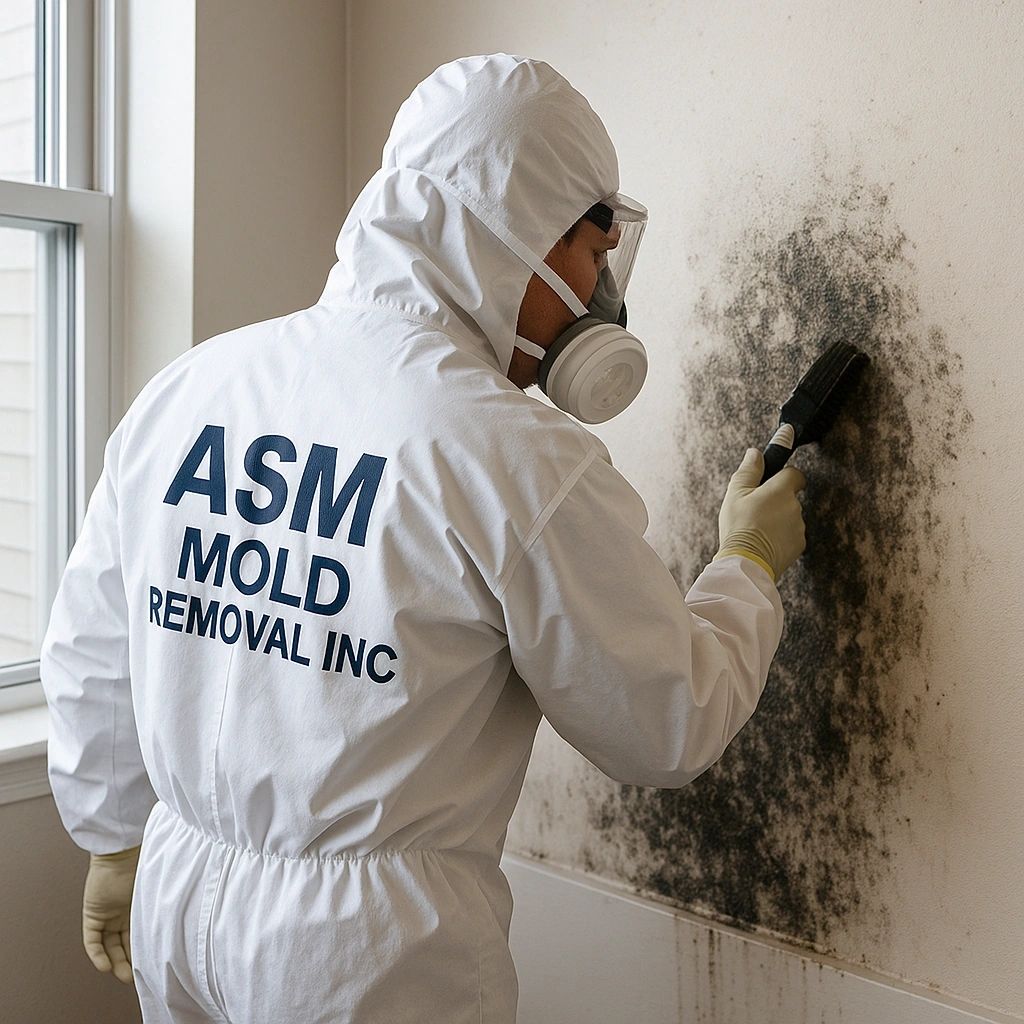
Scraping, sanding or using fans on a contaminated surface can move dust and particles into other rooms. Keep occupants and pets away from the immediate area while you decide the next step.
- Avoid dry brushing or sanding
- Do not paint over the area
- Do not point a fan directly at visible growth
- Close the room where practical
3. Judge the extent, not the colour
Health Canada classifies a large mould area as a single patch larger than three square metres and recommends professional assessment and cleanup for large areas. Colour alone does not identify species or determine the remediation plan.
4. Prepare useful information
An inspector can make a better first assessment when you share the room, approximate size, recent leaks, musty odours, timing and clear photos. Note whether children, seniors or people with respiratory conditions use the space.
- Property city or postal code
- Affected room or attic area
- Approximate patch size
- Leak or flood history
- When the odour or staining started
This guide references current federal guidance. Read the full source for health and cleanup details.
Health Canada: Guide to addressing moisture and mould indoors ↗