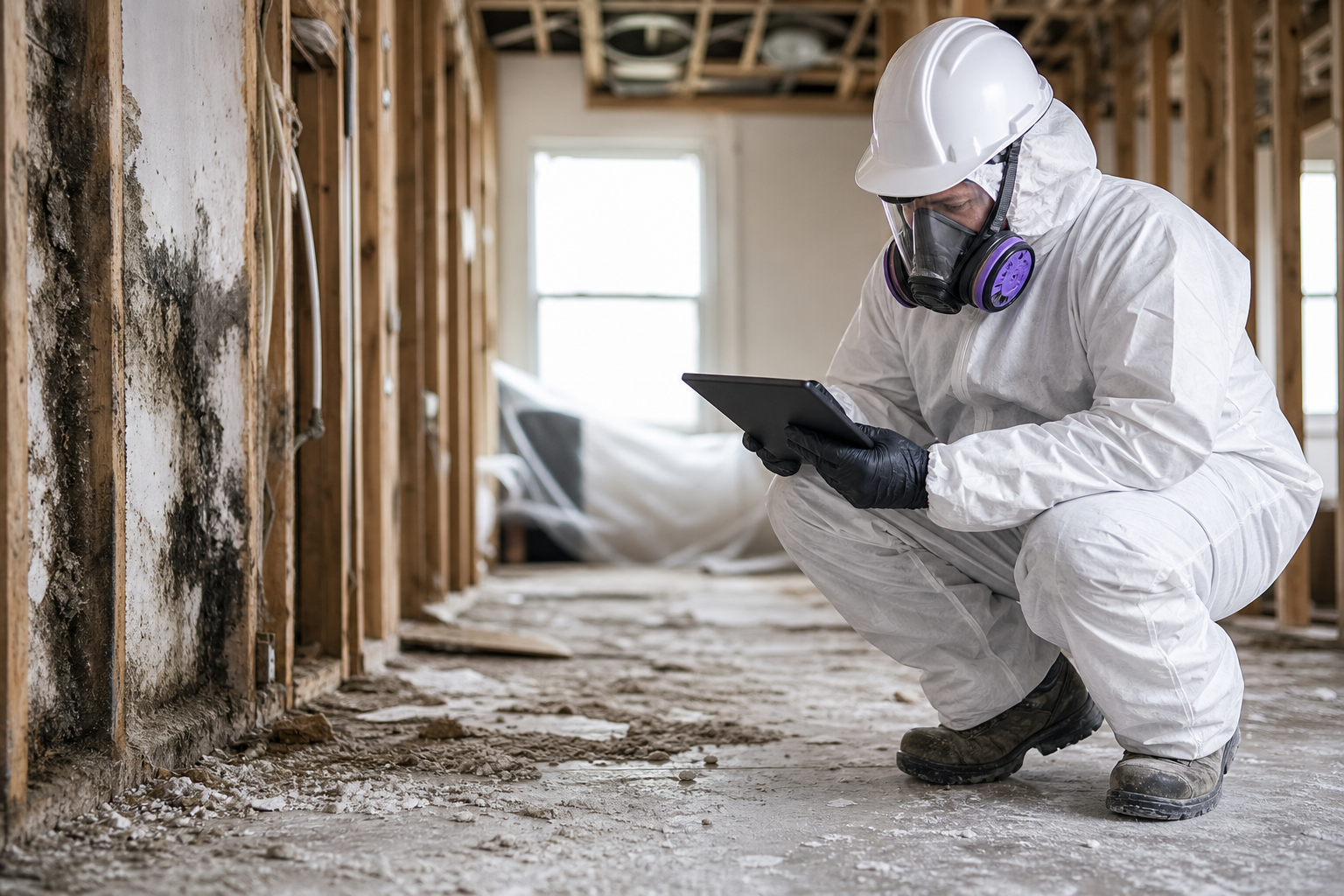
A post-remediation inspection, also called post-remediation verification or clearance testing, is the independent re-check performed after mold remediation to confirm the work met its objectives before reoccupation or reconstruction. The inspection goes beyond the contractor's own walkthrough by combining a visual re-inspection with objective evidence such as air or surface sampling, moisture readings, and rapid screening tools where appropriate. Independent verification reduces the risk of rework, helps protect occupant health, and creates a defensible record for buyers, sellers, insurers and building managers (Building Health, MoldInspectorsNearMe).
Why a post-remediation inspection matters for Ontario homeowners, buyers and agents
Practical reasons to request a PRV in Ontario include confirming that visible mold and contamination were removed, verifying that moisture sources were addressed, and producing a written report suitable for real estate transactions or insurance records. Regulatory and industry frameworks in Canada use post-remediation checklists and closure worksheets to document that remedial objectives are complete, and the documentation can be important when public agencies or institutional owners require closure evidence (CER: remediation guidance).
For homeowners choosing a contractor, a post-remediation inspection provides an independent opinion before finishes are reinstalled or walls are closed up. Some remediation projects that include a warranty or certificate require a final inspection or evidence of clearance; a third-party PRV gives buyers, sellers, agents and building managers confidence that the certified area meets the agreed standard (ASM Mold Removal, Building Health).
Which evidence types PRV uses and what each proves
Post-remediation verification normally combines several evidence layers. No single method is universally definitive, so inspectors choose the stack that is appropriate for the problem type, extent of contamination and the species suspected. The main evidence types and their practical roles are below (Solution One Inspectors, Mold Inspections Authority).
Visual re-inspection
What it proves: confirms that visible mold, debris and contaminated insulation or materials were removed, and that containment, negative pressure or other controls remained intact during work. Visual checks also document unfinished areas, remaining stains, and whether cleaning followed the scope.
Air sampling
What it proves: measures airborne spore concentrations or character and is used to compare indoor conditions with an outdoor baseline or pre-remediation samples. Air sampling is useful for detecting active airborne contamination, but results depend on timing, recent activity and sampling protocol and should be interpreted by an experienced professional (Mold Inspections Authority).
Surface sampling (tape or swab)
What it proves: checks cleaned surfaces for remaining mold or spores. Surface samples are especially important when low-mobility species such as Stachybotrys are suspected because those spores may not show up reliably in air samples. A positive surface result on an area that was supposed to be cleaned usually requires targeted rework (Mold Inspections Authority).
Moisture verification
What it proves: confirms that the source of moisture that drove growth has been eliminated and that materials have returned to safe moisture levels for reconstruction. Inspectors use moisture meters, relative humidity readings and documented drying curves. Without moisture control, mold can regrow even after a thorough cleaning.
ATP and rapid screening tests
What they prove: provide fast, on-site indication of organic residue and cleaning effectiveness. ATP is a screening tool and does not identify mold species. Rapid tests can be useful as one line of evidence but are not a substitute for laboratory analyses when species-level identification or quantitative confirmation is required (Solution One Inspectors).
When to schedule a PRV and who should perform it
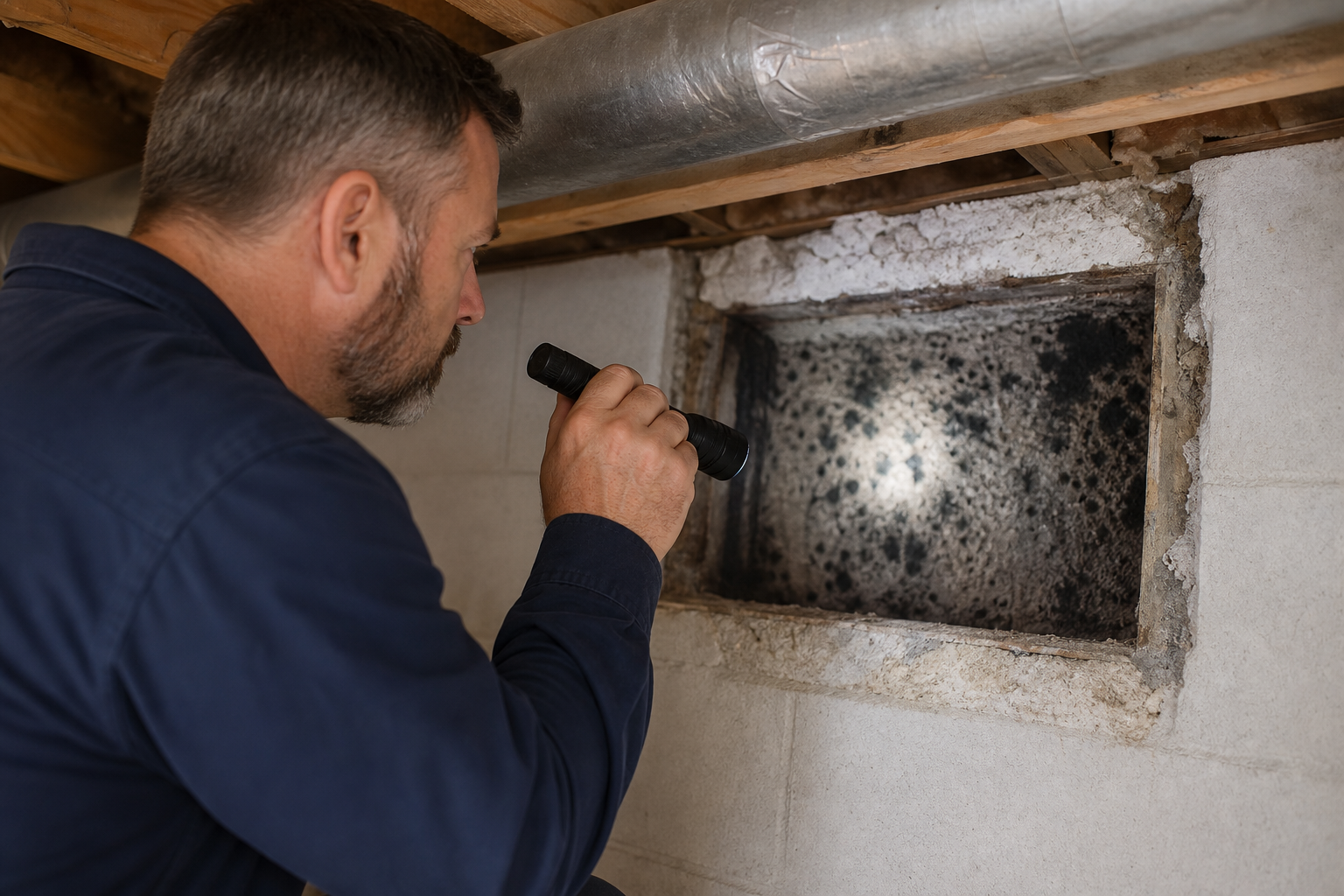
The correct timing for a PRV is after the remediator completes active work and removes containment, but before reconstruction, insulation replacement or reoccupation. Conducting the inspection before finishes are reinstalled means any failed areas can be reworked without demolition. Third-party verification by an independent inspector is strongly recommended when stakeholders need objective documentation, for example when the property will be sold, when occupants are vulnerable, or when the job was complex (MoldInspectorsNearMe).
Some institutional guidance in Canada and Alberta explicitly treats post-remediation inspections as a third-party check performed after remediation to confirm effectiveness and support decisions about returning occupants to the space (Alberta post-remediation guidance).
What a defensible post-remediation report should contain
A defensible PRV report is clear about scope, methods and limits. At minimum demand the following elements in writing: the remediation scope and objectives, an inventory of samples and locations, the sampling and laboratory methods used, reference or pass/fail criteria or the comparative baseline, moisture and environmental readings, labeled photos showing before and after, laboratory results and chain of custody records, and explicit corrective actions if results fail. Templates and post-repair checklists used in industry show how to structure the report so it supports decisions and traceability (SafetyCulture post-repair checklist, MangoApps post-repair report, Solution One Inspectors).
A short decision checklist: when to require third-party PRV
- Complex or extensive contamination: large areas, multiple rooms or attic systems involved. Evidence to request: air sampling, surface sampling and moisture verification (Mold Inspections Authority).
- Attic, insulation or framing work: contamination hidden under insulation or inside framing cavities. Evidence to request: surface sampling and moisture verification plus photos before close-up.
- HVAC or duct involvement: contamination that can spread through systems. Evidence to request: HVAC inspection and targeted air or surface samples inside ducts.
- Black mold suspected (Stachybotrys) or visible wet growth: requires surface-based sampling as spores settle quickly. Evidence to request: surface samples and visual documentation (Mold Inspections Authority).
- Real estate transaction or warranty requirement: when buyers, sellers or agents need independent documentation. Evidence to request: a full PRV report with lab results and a written opinion; some remediation providers also issue a Mold Remediation Warranty Certificate after inspection (ASM Mold Removal).
- Vulnerable occupants: infants, elderly, asthmatics or immunocompromised people will merit third-party verification before reoccupation. Evidence to request: conservative sampling and a clear pass/fail opinion.
- Reconstruction or wall close-up planned: always verify before closing up cavities so failed areas can be reworked without demolition.
Common red flags in PRV results and the correct follow-up
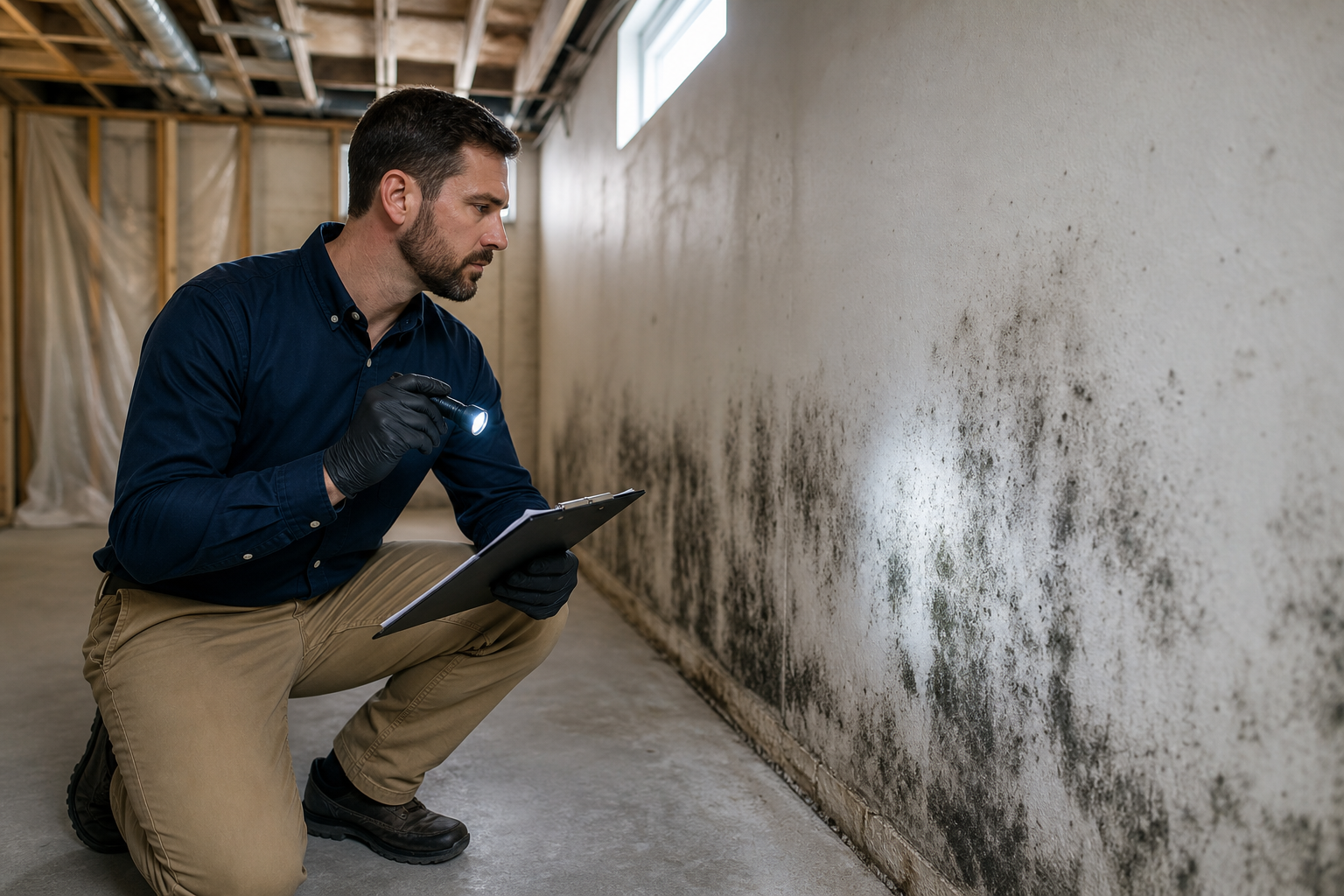
- Indoor air spores higher than the outdoor baseline or showing the same dominant species as pre-remediation: typically requires targeted re-cleaning and repeat sampling (Solution One Inspectors).
- Positive surface samples on areas that were supposed to be cleaned: indicates failed cleaning and calls for rework of those surfaces, then re-testing (Mold Inspections Authority).
- Persistent elevated moisture readings or an unresolved water source: remediation cannot be considered complete until source control and drying are confirmed; corrective plumbing, roofing or ventilation work is needed.
- Visible residual growth found under insulation, inside framing, or behind finishes: requires targeted exposure and re-remediation before closing up the area (Building Health).
When red flags appear, the standard workflow is corrective remediation targeted at the failed locations, followed by re-inspection and additional testing until the written criteria are met. A defensible process records the corrective actions taken and the repeat sampling results so the final report supports reoccupation or transfer decisions.
How ASM Mold Removal maps to these options and next steps
ASM Mold Removal offers Ontario-wide, same-day response for urgent issues and free inspections with a moisture assessment as the starting point for projects. The company uses HEPA filtration, containment and EPA-approved products during remediation and provides full repair and restoration when needed. After completion and inspection ASM issues a Mold Remediation Warranty Certificate to document the result, which is helpful for real estate and warranty needs (ASM Mold Removal).
If you are planning remediation or have just completed work, consider whether you need a third-party PRV using the checklist above. When independent verification is warranted, ask the inspector for a written report that includes sample methods, lab reports, moisture data and clear corrective instructions so the remediation can be closed out with confidence (SafetyCulture, Solution One Inspectors).
Frequently asked questions
When should I insist on a third-party post-remediation inspection instead of the remediator's clearance?
Insist on third-party PRV when the job is large or complex, involves attics, insulation or HVAC, when black mold is suspected, when occupants are vulnerable, or when you need independent documentation for a sale or warranty. Independent PRV avoids conflicts of interest and documents the outcome before reconstruction (MoldInspectorsNearMe).
What tests are most reliable for confirming attic or black mold removal?
Surface sampling and moisture verification are particularly important for attic and black mold cases because some species settle quickly and may not appear in air samples. A defensible approach combines visual documentation, surface samples and moisture readings, with air samples where airborne spread is a concern (Mold Inspections Authority).
Will a PRV report guarantee my house will never get mold again?
No. A PRV documents the condition at the time of inspection and confirms that remediation objectives were met and moisture sources were addressed. It does not guarantee long-term absence of mold because future leaks or ventilation problems can create new growth. Durable prevention depends on ongoing moisture control and maintenance.
Can a PRV be used as documentation in a real estate transaction and what should agents expect to see?
Yes. Real estate stakeholders commonly rely on PRV reports as objective evidence that remediation was completed. Agents should expect to see a scope statement, labeled photos, sample inventory, lab results, moisture data and a clear pass/fail opinion or corrective action list so the buyer and their inspector can evaluate the result (SafetyCulture).
How quickly should follow-up remediation happen if a PRV fails and who pays for it?
Follow-up remediation should happen promptly to avoid further exposure and to reduce the cost of rework. Responsibility for payment depends on contractual terms and whether the remediator provided a warranty or the contractor's scope omitted required steps. Document failures in writing, refer to the remedial contract or warranty, and discuss corrective plans and costs with the remediation provider or insurer as appropriate.
Key takeaway: a post-remediation inspection is the final, evidence-based check that protects occupants and stakeholders. When in doubt, request third-party verification before you close up the building or complete a transaction.
Ready to verify remediation? Request a third-party PRV or a free pre-remediation inspection from ASM Mold Removal: the official website


