Last updated: October 2026
By ASM Mold Removal Inc. • Updated for the next publication cycle
Mold is usually a moisture problem before it is a cleaning problem. A roof leak, basement seepage, plumbing failure, condensation, poor ventilation, or an HVAC issue can leave drywall, insulation, framing, flooring, or other materials damp enough for growth to develop. Cleaning the visible mark without correcting that cause can allow mold damage and musty odours to return.
This guide explains what mold remediation services involve, when professional help is appropriate, how a controlled project works, and what to ask before work begins. ASM Mold Removal Inc. is based in Scarborough and provides Ontario-wide, same-day response, free inspections, moisture assessment, containment, HEPA filtration, removal, drying, restoration, and prevention planning for residential and commercial properties.
What do mold remediation services include?
Mold remediation is a managed process rather than a single product or spray. It normally includes an assessment, identification of the moisture source, work-area containment, removal or cleaning of affected materials, air and surface cleaning, drying, verification, and recommendations that reduce the chance of recurrence.
Health Canada states that indoor mold growth may pose a health hazard and that there is no single health-based exposure limit for indoor mold. The practical response is to determine the extent of the problem, correct the moisture issue, and clean or remove affected materials appropriately. Read the Health Canada guidance on moisture and mould indoors for additional public-health context.
- Assessment: A technician looks for visible growth, odours, water damage, wet materials, and concealed moisture.
- Source correction: Leaks, condensation, drainage, ventilation, or humidity problems must be addressed.
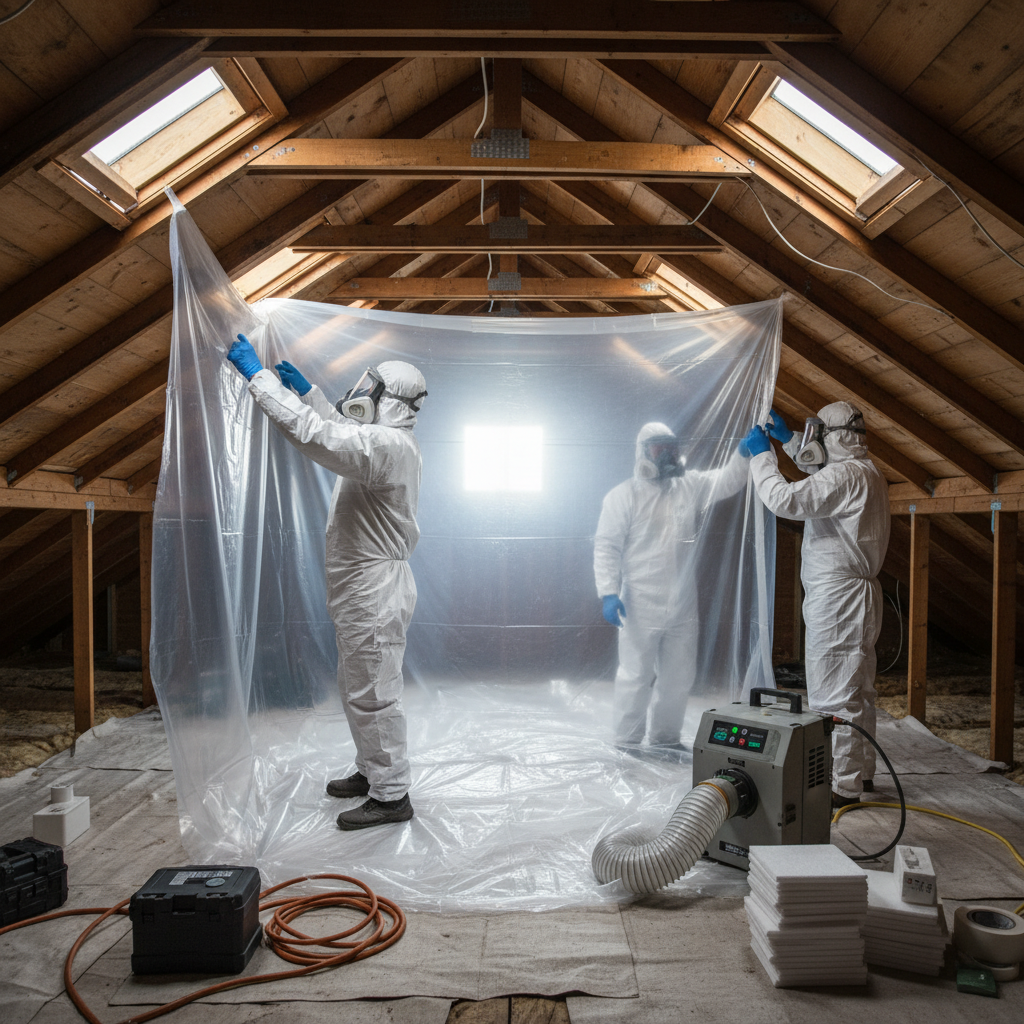
- Containment: Poly barriers, zipper access, and controlled airflow help limit migration into clean areas.
- Removal and cleaning: Porous materials that cannot be reliably cleaned may require selective removal, while suitable hard surfaces can be cleaned.
- Drying and verification: Moisture readings, visual review, photographs, and project records document the outcome.
The exact scope depends on the building, the affected materials, the extent of growth, and whether the original water event has been stopped. No responsible contractor should promise that one treatment is appropriate for every room or every type of mold damage.
When should you hire a professional?
Professional assessment is sensible when mold covers a substantial area, appears repeatedly, affects porous materials, follows flooding or sewage, is hidden behind finishes, involves an HVAC system, or is present in a workplace or multi-unit building. It is also useful when you can smell mold but cannot locate the source.
Ontario workplace guidance identifies leaks, flooding, water intrusion, condensation, and other moisture problems as primary causes of mold growth. It recommends professional assistance when contamination is extensive. Review the Ontario alert on mould in workplace buildings when the affected property is an office, school, retail site, warehouse, or other workplace.
Signs that a problem may be larger than the visible patch
- A persistent musty smell continues after surface cleaning.
- Paint, drywall, baseboards, insulation, flooring, or wood framing show swelling, staining, or deterioration.
- Growth returns after cleaning because a leak or humidity source remains.
- Air returns, ducts, coils, drain pans, or mechanical-room materials appear damp or contaminated.
- Several rooms or suites are affected after a flood, roof failure, or plumbing event.
- Occupants are concerned about exposure, or the property must be documented for a sale, lease, insurance file, or reopening.
A small amount of growth on a hard, non-porous surface may sometimes be cleaned by a homeowner after the moisture source is fixed. Do not assume that a small visible mark represents the full extent of contamination, especially after water has travelled behind walls or beneath flooring.
How does the process work in Toronto and Scarborough?
ASM Mold Removal Inc. starts with a free inspection and moisture assessment. The team serves Scarborough, Toronto, and properties across Ontario, adapting the work plan to the building type, season, access requirements, and affected materials rather than applying the same procedure everywhere.
- Inspect and map moisture: Visual review, moisture readings, and, where useful, thermal imaging help identify wet materials and likely pathways.
- Define the work zone: The scope identifies what will be cleaned, removed, dried, repaired, or referred to another trade.
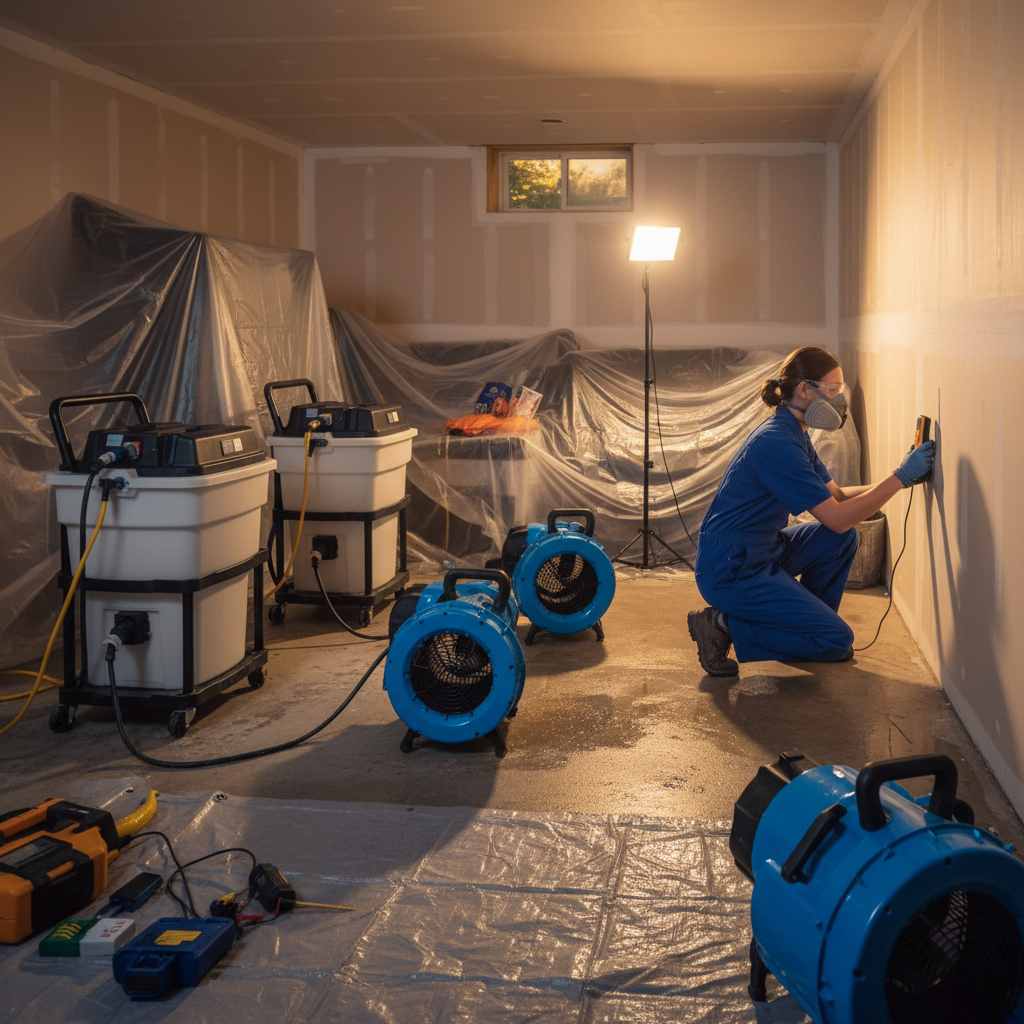
- Contain the area: Barriers, protected access, and controlled airflow help prevent dust and mold fragments from entering unaffected rooms.
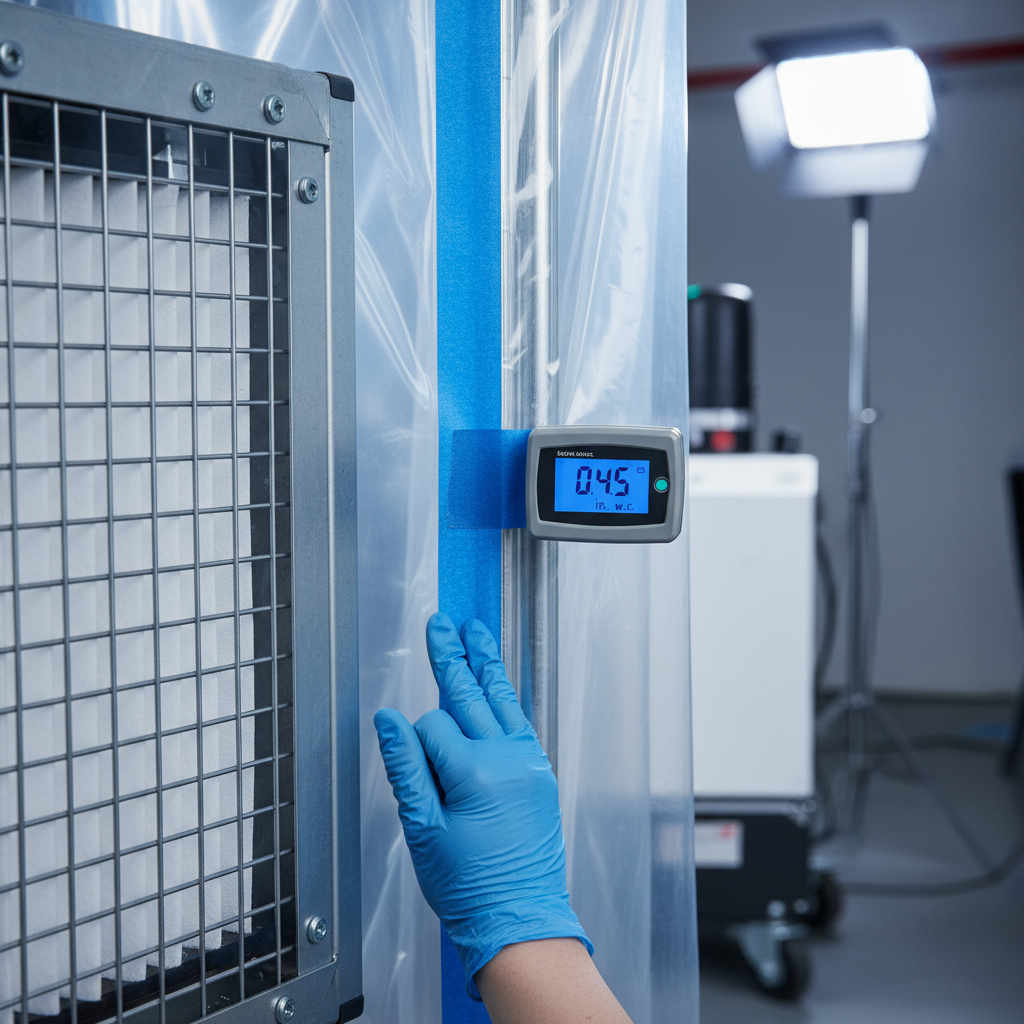
- Filter and control air: HEPA air scrubbers and HEPA vacuums support controlled cleanup. Pressure is monitored where negative-air containment is appropriate.
- Remove or clean affected materials: Damaged drywall, insulation, or other porous materials may be removed selectively. Suitable surfaces are cleaned using methods and products appropriate to the material.
- Dry and stabilize: Dehumidifiers and air movers support drying while readings are compared with unaffected control areas.
- Verify and document: The final review considers visible cleanliness, remaining moisture, work-area conditions, photographs, and records. Optional third-party sampling may be discussed when it adds value to the decision.
- Prevent recurrence: The client receives practical recommendations for ventilation, drainage, humidity management, repairs, and maintenance.
Toronto buildings face varied moisture conditions: humid summers can raise basement humidity, while cold winters can expose attic ventilation gaps and condensation at exterior corners. Older homes may also contain several layers of finishes that conceal previous leaks. These conditions make moisture tracing and selective removal more useful than treating only the most obvious stain.
For municipal facility planning, the City of Toronto mould management procedures emphasize trained remediation representatives and HEPA-filtered dust collection; they also prohibit dry sweeping in the work area. Those principles reinforce the need for controlled, documented cleanup.
Which methods are used in different areas?
Attic mold remediation
Attic growth commonly relates to roof leaks, bathroom fans exhausting into the attic, missing or blocked ventilation, air leakage at hatches, or insufficient insulation. Remediation may involve removing contaminated insulation, cleaning affected sheathing, correcting the moisture pathway, and checking soffit, baffle, ridge, or exhaust conditions. Staining alone does not establish whether active growth remains, so moisture and surface condition should be assessed together.
Basement mold removal
Basements can develop mold damage after foundation seepage, a sump interruption, plumbing leaks, poor grading, or condensation on cold walls. A controlled project may include selective drywall and baseboard removal, HEPA cleaning, dehumidification, drying, and recommendations for drainage or humidity control. Keeping indoor relative humidity in a moderate range and fixing water entry are more durable solutions than repeatedly treating the same wall.
Crawl spaces
Crawl spaces may be affected by exposed soil, groundwater, humid outdoor air, or inadequate vapor control. Depending on the construction, the plan can include cleaning joists and subflooring, addressing standing water, improving vapor control, and installing or maintaining dehumidification. Access limitations make careful containment and clear documentation especially important.
HVAC systems and mechanical areas
Condensation at coils, drain pans, ducts, or insulation can distribute odours and particles beyond the original room. HVAC-related work should consider the source of moisture, the condition of accessible components, filter maintenance, insulation, drainage, and whether specialized mechanical cleaning is required. The system should not simply be treated while the underlying condensation problem continues.
Commercial properties
Offices, stores, warehouses, schools, healthcare facilities, and multi-unit buildings may need phased containment so unaffected operations can continue. Night or weekend work, pressure logs, tenant communication, protected routes, and zone-by-zone verification can reduce disruption. The scope should identify who is responsible for remediation, repairs, restoration, and any required independent assessment.
What equipment and controls should you expect?
Equipment is useful because it supports a defined control strategy, not because a particular machine guarantees success. A professional team may use moisture meters, thermal imaging, HEPA air scrubbers, HEPA vacuums, dehumidifiers, air movers, pressure gauges or manometers, protective barriers, and appropriate personal protective equipment.
- Moisture meters: Help compare affected materials with unaffected areas and track drying.
- Thermal imaging: Can help identify temperature patterns associated with concealed moisture, although findings require confirmation.
- HEPA filtration: Supports removal of airborne particles during controlled work and detailed cleaning.
- Containment and negative air: Help direct airflow and reduce migration when the building and scope make those controls appropriate.
- Dehumidifiers and air movers: Support drying after leaks, flooding, or removal of wet materials.
- PPE: Protects workers and reduces transfer of contamination between the work area and clean areas.
Health Canada’s professional guidance identifies several essential success factors: correct the real moisture cause, remove mold and moisture-damaged materials with adequate containment, and clean thoroughly to remove visible dust. The Health Canada guidance for indoor-air-quality professionals provides the detailed reference.
What should documentation and verification show?
A useful completion record explains what was inspected, what moisture source was found, which materials were removed or cleaned, how the work area was controlled, and what prevention steps remain. Photographs, moisture readings, equipment or pressure logs where relevant, and a clear scope help owners and other professionals understand the work.
Verification is not the same as promising that a building contains no mold spores. A practical review looks for no remaining visible growth in the work area, no unresolved moisture problem within the scope, appropriately cleaned surfaces, and materials that are dry or stable for the next stage. Sampling can be considered when it answers a specific question, but it should not replace correcting moisture and completing the physical cleanup.
ASM Mold Removal Inc. backs completed work with a satisfaction guarantee and provides a Mold Remediation Warranty Certificate upon completion and inspection. The certificate can support records for homeowners, buyers, sellers, agents, landlords, and facility managers, but it does not replace repairs that are outside the remediation scope.
DIY cleaning or professional mold remediation?
DIY cleaning may be reasonable for a small, isolated area on a hard, non-porous surface when the moisture source has been fixed and no hidden damage is suspected. Professional mold remediation services are the safer decision when the area is extensive, materials are porous, the source is uncertain, growth keeps returning, or the property requires formal documentation.
| Decision factor | Limited DIY cleaning | Professional services |
|---|---|---|
| Likely scope | Small, isolated hard-surface area | Recurring, concealed, porous, multi-room, or extensive contamination |
| Moisture source | Known and already corrected | Unknown, active, structural, or related to HVAC or flooding |
| Controls | Basic precautions and careful disposal | Containment, HEPA filtration, controlled access, and task-specific PPE |
| Verification | Owner’s visual review | Visual review, moisture checks, records, and optional independent sampling |
| Best fit | Minor surface maintenance | Homes, workplaces, commercial sites, and projects involving mold damage |
Do not dry-sweep contaminated debris, spread materials through clean rooms, or seal damp materials behind new finishes. If occupants have health concerns, ask their healthcare professional for individual advice while the building issue is assessed.
How can you prevent mold from returning?
Prevention begins with the moisture source identified during the inspection. A prevention plan may include roof or plumbing repairs, better bathroom exhaust, attic ventilation improvements, basement drainage work, dehumidification, HVAC maintenance, or monitoring after a water event.
- Respond promptly to leaks, flooding, and condensation.
- Use ventilation that exhausts bathroom and kitchen moisture appropriately.
- Monitor damp basements and other vulnerable rooms with a hygrometer.
- Keep gutters, downspouts, drains, and sump systems maintained.
- Inspect attic insulation, air sealing, and ventilation when winter condensation is present.
- Replace or maintain HVAC filters according to the equipment and indoor conditions.
- Do not rebuild over materials that remain wet or have not been properly assessed.
For housing managers, the CMHC information on mould in housing explains why a cleanup plan should address moisture correction, removal, restoration, and mold-resistant maintenance.
A practical mold remediation checklist
| Stage | Question to ask | Useful record |
|---|---|---|
| Assessment | Where is the moisture and what materials are affected? | Inspection notes, readings, photographs |
| Scope | What will be removed, cleaned, dried, repaired, or referred? | Written work plan |
| Containment | How will clean areas and occupants be protected? | Barrier and access plan |
| Removal | Are damaged porous materials being handled and disposed of appropriately? | Removal photographs and notes |
| Drying | How will the team know materials are stable? | Moisture readings and drying logs |
| Verification | What conditions must be met before reconstruction or reoccupation? | Final review and completion record |
| Prevention | What repair or maintenance prevents recurrence? | Written recommendations and responsibilities |
A well-written estimate should separate remediation from reconstruction where appropriate. Ask whether the inspection, containment, removal, drying, cleaning, verification, disposal, repairs, and documentation are included or handled as separate scopes. This makes the decision clearer and reduces surprises when hidden mold damage is uncovered.
Frequently asked questions
How long do mold remediation services take?
Light residential work may take one to three days, while projects involving multiple rooms, wet insulation, structural drying, HVAC areas, or phased commercial zones may take longer. The schedule depends on the size of the affected area, access, material removal, drying time, and whether repairs are included.
Do I need to leave my Toronto home during remediation?
Not always. Containment, controlled access, HEPA filtration, and scheduling can allow occupants to remain away from the work zone, but the right decision depends on the building, scope, occupant sensitivities, and the location of the contamination. The contractor should explain movement restrictions before work starts.
What is included in professional mold remediation?
A complete service may include inspection, moisture assessment, containment, HEPA filtration, selective removal, cleaning, drying, verification, photographs, prevention recommendations, and a completion record. Confirm which repairs, reconstruction, testing, and warranty documentation are included in the written scope.
Is black mold removed differently from other mold?
The safe approach is based on the extent, location, material, and moisture source rather than the colour of the growth. Containment, careful removal or cleaning, HEPA cleanup, drying, and verification remain important. A visual label such as “black mold” does not by itself identify the species or determine the correct scope.
Arrange a mold assessment
If you see recurring growth, smell mold, have mold damage after a leak, or need a documented plan for a Toronto or Ontario property, arrange a free inspection with ASM Mold Removal Inc. The team provides same-day response, controlled remediation, restoration support, and prevention planning for homes and commercial buildings.
Contact ASM Mold Removal Inc. for mold remediation services and discuss the moisture source, affected areas, urgency, access requirements, and documentation you need.