Last updated: October 2026
By ASM Mold Removal Inc. • Updated October 2026
What basement mold cleanup involves
Basement mold clean up is not simply spraying a stain or painting over discoloration. A sound response begins by finding why the area became damp, then protects occupants and workers while contaminated materials are cleaned, removed, dried, and checked.
Basements in Scarborough and across Ontario can develop mold after plumbing leaks, seepage, flooding, condensation, or humid summer weather. Moisture is the central issue: Toronto guidance recommends keeping indoor relative humidity between 30 and 50 percent and drying damp areas promptly.
- Find the source: Check leaks, foundation seepage, window wells, plumbing, condensation, drainage, and HVAC-related moisture.
- Assess the materials: Concrete and metal may be cleanable, while drywall, carpet padding, insulation, and other porous materials may need removal when growth has penetrated them.
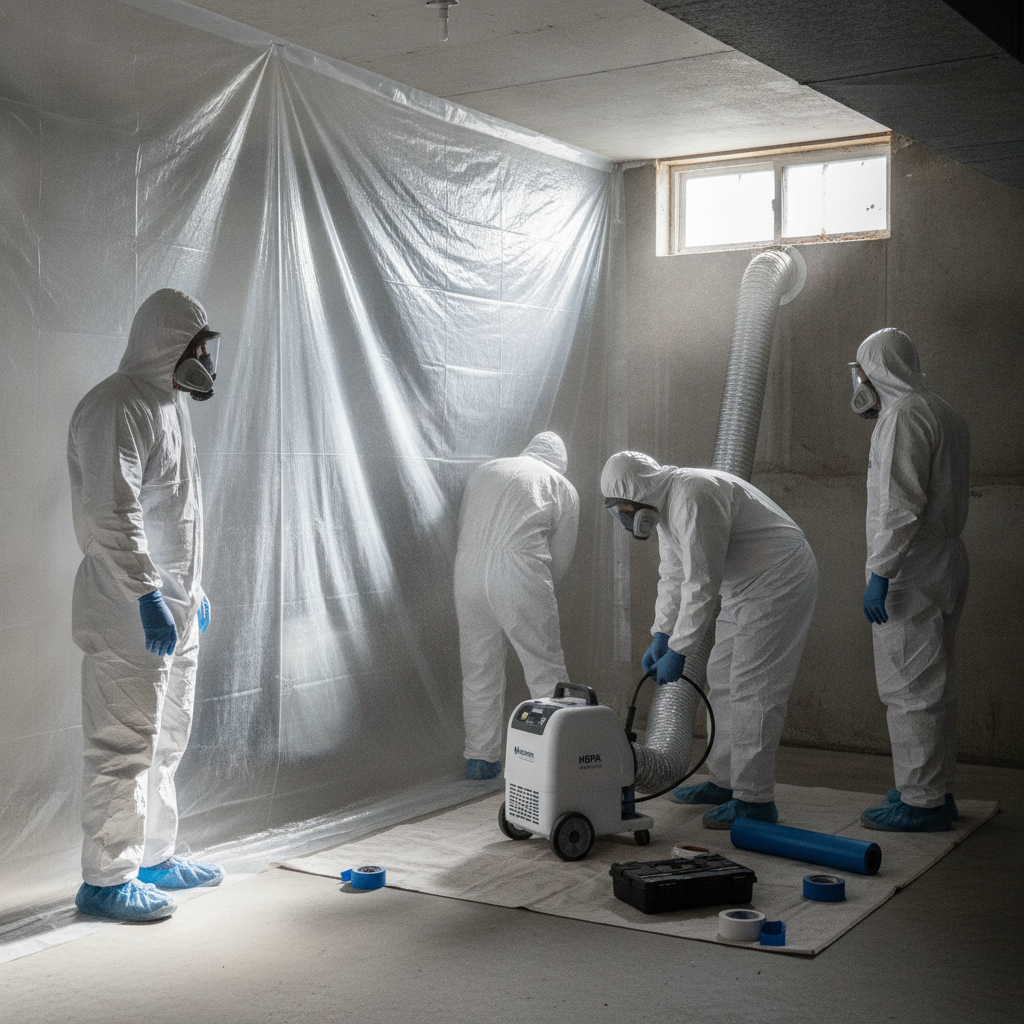
- Control the air: Use appropriate containment and HEPA filtration so dust and spores are not carried into clean parts of the home.
- Prevent recurrence: Dry the structure, stabilize humidity, repair the moisture source, and monitor the basement after storms and seasonal changes.
What is basement mold cleanup?
Basement mold cleanup is the controlled process of addressing mold growth and the moisture conditions supporting it. Depending on the affected surface, the work can include detergent cleaning, HEPA vacuuming, removal of contaminated porous materials, drying, and selective treatment after cleaning.
The City of Toronto says areas of mold measuring one square metre or less may be cleaned with household cleaner, detergent, a clean wet rag, and prompt thorough drying. That advice is most relevant when the growth is limited, the moisture source is understood, and the material can be safely cleaned.
For larger or more complicated contamination, the objective is broader than visible stain removal. Ontario guidance describes the need to assess moisture problems, clean up and remediate contaminated materials, inspect periodically, and carry out preventive maintenance. A professional Ontario mould safety overview explains why moisture correction and ongoing inspection belong in the same plan.
Why prompt cleanup matters in a basement
Mold can affect indoor comfort and may aggravate allergy or asthma symptoms in sensitive occupants. A basement is also connected to the rest of the home through stairs, air movement, storage, and sometimes shared HVAC equipment, so a musty lower level should not automatically be treated as an isolated room.
Persistent moisture can damage paper-faced drywall, insulation, flooring, trim, and wood components. Cleaning without repairing the leak or condensation problem often produces a short-lived improvement because the underlying conditions remain favourable for regrowth.
Do not rely on colour to determine risk or scope. “Black mold” is not a sufficient technical diagnosis, and visible appearance alone cannot show whether growth is behind finished walls. A moisture assessment and inspection of adjacent materials are more useful decisions than guessing from colour.
How basement mold cleanup works step by step
A practical basement mold cleanup sequence moves from source control to containment, material decisions, cleaning, drying, and verification. The exact scope depends on the size of the affected area, the materials involved, the water history, and whether air-handling equipment may have been exposed.
1. Identify and correct moisture
Inspect plumbing, foundation walls, floors, sump equipment, window wells, exterior drainage, cold-water pipes, and dehumidifier operation. Use moisture readings and visual inspection to map wet materials rather than treating only the most obvious spot.
Stop active leaks before disturbing moldy finishes. If water entered after a storm, document the affected areas and consider whether drying, drainage, or building repairs are required before cosmetic restoration.
2. Decide whether the area is suitable for DIY work
Limited growth on a hard, washable surface may be a reasonable homeowner task when occupants can stay away from the work area and the source of moisture is controlled. Stop and seek professional advice if the affected area is extensive, materials are saturated, growth is recurring, a sewage event occurred, or someone in the household is especially sensitive.
Health Canada’s Mold in Housing guide describes professional activities such as installing protective barriers, arranging ventilation and waste disposal, decontaminating furnishings, and HEPA-vacuuming nearby areas. Those controls are difficult to reproduce with household equipment when contamination is widespread.
3. Establish containment and air control
For professional work, containment can include sealed plastic barriers, a controlled entry, and protection for clean areas. HEPA air filtration helps capture airborne particles, while negative pressure may help direct air into the work zone rather than out through gaps.
Containment is especially important when drywall or insulation will be disturbed. Keep doors closed, limit traffic, and do not use ordinary fans that could distribute contaminated dust into adjacent rooms.
4. Remove materials that cannot be effectively cleaned
Non-porous materials may often be cleaned. Porous materials with embedded growth, prolonged saturation, or deterioration may need to be removed and bagged under controlled conditions. The decision should consider the material’s condition and whether cleaning can reliably reach the contamination.
Do not seal, repaint, or install new finishes over damp or visibly contaminated surfaces. Encapsulation, where appropriate, follows cleaning and drying; it is not a substitute for source correction or removal of unsalvageable material.
5. HEPA-vacuum, clean, and dry
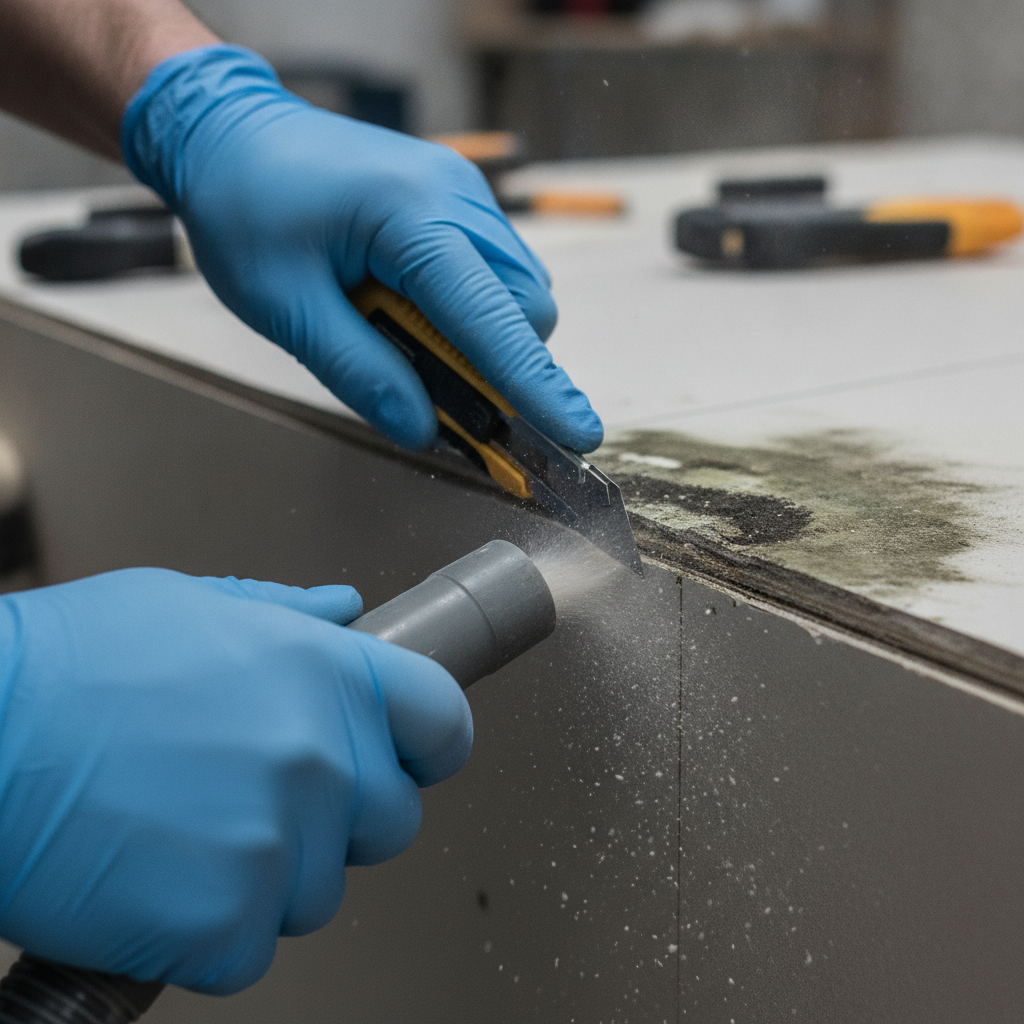
After removal, remaining surfaces can be HEPA-vacuumed and damp-wiped using a suitable detergent or approved product. Cleaning should be methodical, including ledges, framing, floor edges, and nearby surfaces that may have collected settled dust.
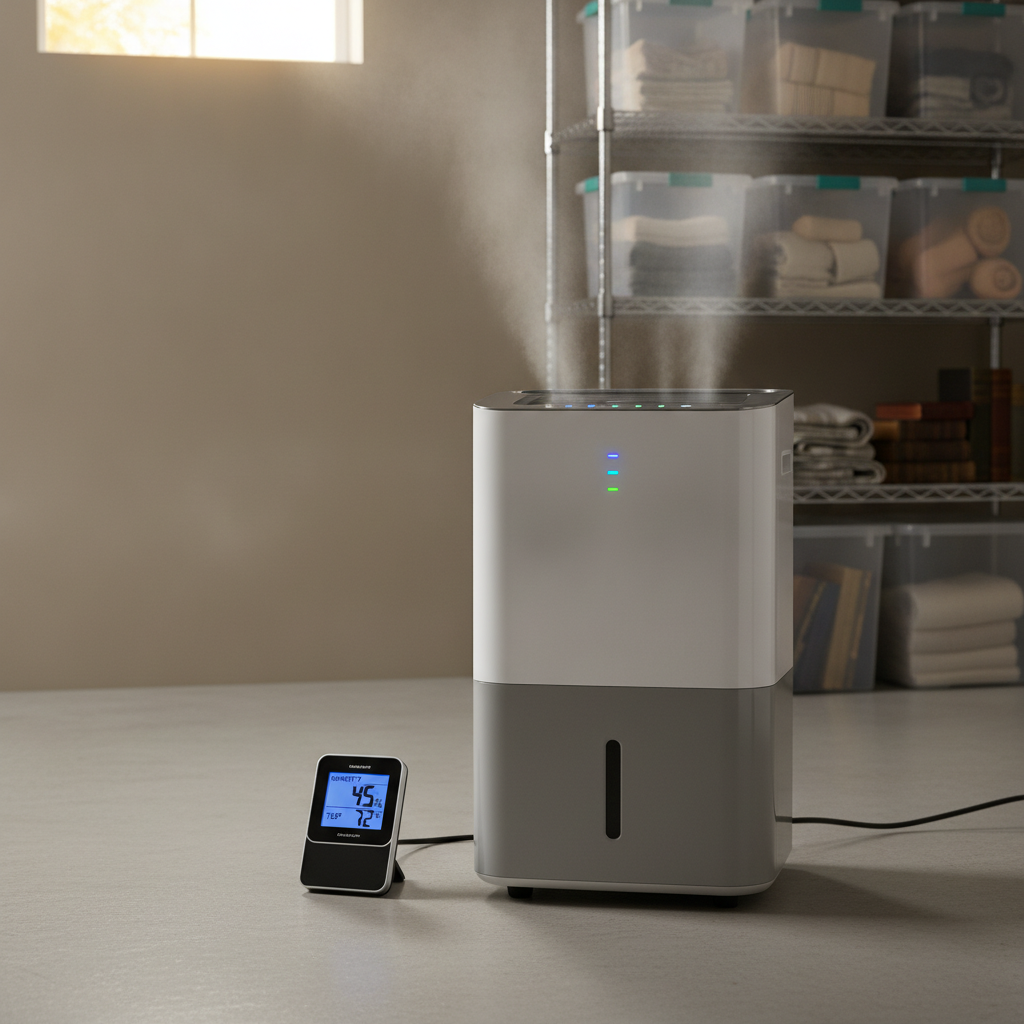
Drying continues until materials are demonstrably dry and basement humidity is stable. Toronto’s indoor-air guidance recommends a 30–50 percent relative-humidity range; a hygrometer and a dehumidifier with a continuous drain can make that target easier to monitor.
6. Verify the result and maintain it
Verification can include visual inspection, moisture readings, odor assessment, and, where justified by the situation, air or surface sampling. Testing is not a replacement for correcting moisture, and a single test should not be treated as proof that a building can never develop mold again.
Keep photographs, moisture readings, repair notes, and the final scope of work. This record can help with maintenance, future renovations, insurance discussions, or a real estate transaction.
DIY cleanup versus professional remediation
| Situation | More suitable response | Why |
|---|---|---|
| Small area on a hard, washable surface | Careful homeowner cleaning may be reasonable | The area can be cleaned, dried, and monitored without disturbing porous finishes. |
| Growth across drywall, insulation, carpet pad, or stored contents | Professional assessment | Porous materials may hold contamination, and removal can release dust. |
| Recurring growth or a continuing leak | Moisture investigation before cleaning | Surface treatment alone will not solve the cause. |
| Sewage, floodwater, or suspected HVAC spread | Qualified remediation professional | The work may involve additional contamination controls and air-management decisions. |
| Occupant with asthma, allergies, or significant sensitivity | Use caution and consider professional help | Reducing exposure during disturbance is an important part of the decision. |
A qualified person should understand fungal-contamination guidance, containment, worker protection, cleaning methods, and waste handling. The City of Toronto’s mold management guidance emphasizes appropriate training and experience for remediation work.
Safe practices for basement mold cleanup
- Keep children, pets, and unnecessary occupants out of the work zone.
- Wear gloves, eye protection, and suitable respiratory protection for the task; respiratory protection must fit and be used correctly.
- Do not dry-brush, sand, or aggressively disturb moldy materials in an occupied home.
- Bag removed materials before carrying them through clean areas, and clean the outside of bags if necessary.
- Never mix cleaning chemicals. Follow the product label and provide appropriate ventilation.
- Do not operate a central fan or shared air system in a way that distributes dust from the work area.
- Fix leaks, seepage, condensation, and drainage problems before rebuilding walls or flooring.
Professional remediation may use containment, HEPA filtration, negative air, controlled removal, and detailed cleaning. ASM Mold Removal Inc. provides inspection, moisture assessment, mold removal, and remediation across Ontario, including basements, crawl spaces, HVAC systems, and other affected areas.
Tools that support a careful cleanup
For a limited washable area
A homeowner may need gloves, eye protection, suitable respiratory protection, detergent, disposable or washable cloths, a scrub pad, plastic sheeting, and a hygrometer. A HEPA vacuum can help collect settled dust, but it should not be used to justify disturbing a large contaminated area without containment.
For professional remediation
Professionals may use moisture meters, thermal imaging, sealed HEPA vacuums, air scrubbers, negative-air equipment, containment materials, commercial dehumidifiers, and air movers. Equipment matters, but the work plan matters more: the operator must know what to inspect, what to remove, how to protect clean areas, and when drying is complete.
For a side-by-side view of the usual work sequence, this mold removal process overview describes moisture identification, containment, HEPA filtration, material removal, cleaning, and final cleanup. The broader distinction is explained in this mold remediation overview, which focuses on preventing recurrence rather than only treating visible growth.
Scarborough basement prevention plan
Scarborough homeowners should pay particular attention to humidity after rainy periods and during warm, humid weather. Check basement corners, exterior-facing walls, window wells, cold-water pipes, storage areas, and the area around the sump pump.
- Weekly after wet weather: Look for odors, condensation, seepage, and new spotting near baseboards and stored items.
- Monthly: Record relative humidity, check the dehumidifier drain, and keep boxes away from cold foundation walls.
- Seasonally: Test the sump pump, inspect downspouts and window wells, and check exposed pipes for condensation.
- Before finishing a basement: Resolve moisture first and plan ventilation, access, and serviceable materials around the conditions of the space.
Toronto Public Health’s indoor air quality guidance also recommends fixing leaks, cleaning spills promptly, and using a dehumidifier where needed. These simple controls are more reliable than waiting for an odor or stain to appear.
Frequently Asked Questions
Can I clean basement mold myself?
Sometimes. A small area on a hard, washable surface may be cleaned with detergent, protective equipment, and prompt drying when the moisture source is controlled. Use professional help for extensive growth, porous materials, sewage or flood contamination, recurring problems, suspected HVAC spread, or sensitive occupants.
What humidity should a basement have after cleanup?
Aim for 30–50 percent relative humidity and monitor it with a hygrometer. The correct reading is not enough by itself: leaks, condensation, and wet building materials must also be corrected so the basement stays dry over time.
Do cleaning products alone remove basement mold?
No. A product may help clean a suitable surface, but it cannot repair a leak, dry saturated drywall, or prevent recurrence. Effective cleanup combines moisture correction, appropriate containment, cleaning or removal, drying, and follow-up monitoring.
When should I call a mold remediation professional?
Call for an assessment when growth is widespread, returns after cleaning, affects drywall or insulation, follows flooding or sewage, produces persistent odors, or may involve HVAC equipment. A professional can determine the scope, protect clean areas, document moisture conditions, and plan repairs before restoration.
A practical next step for basement mold cleanup
Basement mold cleanup works best when moisture is addressed before cosmetic repairs. For a limited washable area, clean carefully and dry it thoroughly; for widespread, recurring, or hidden contamination, use a controlled remediation plan with appropriate air management and material removal.
ASM Mold Removal Inc. provides Ontario-wide same-day response, free inspections, moisture assessment, HEPA-based containment and cleaning, restoration support where needed, and a Mold Remediation Warranty Certificate following completion and inspection.
Request a basement mold inspection
If you are in Scarborough or elsewhere in Ontario and need help deciding whether basement mold clean up is suitable for DIY work, contact ASM Mold Removal Inc. for a free inspection and a practical remediation plan.


